


Blog
Vinyl Fencing: Pros, Cons & Why It’s Gaining Popularity
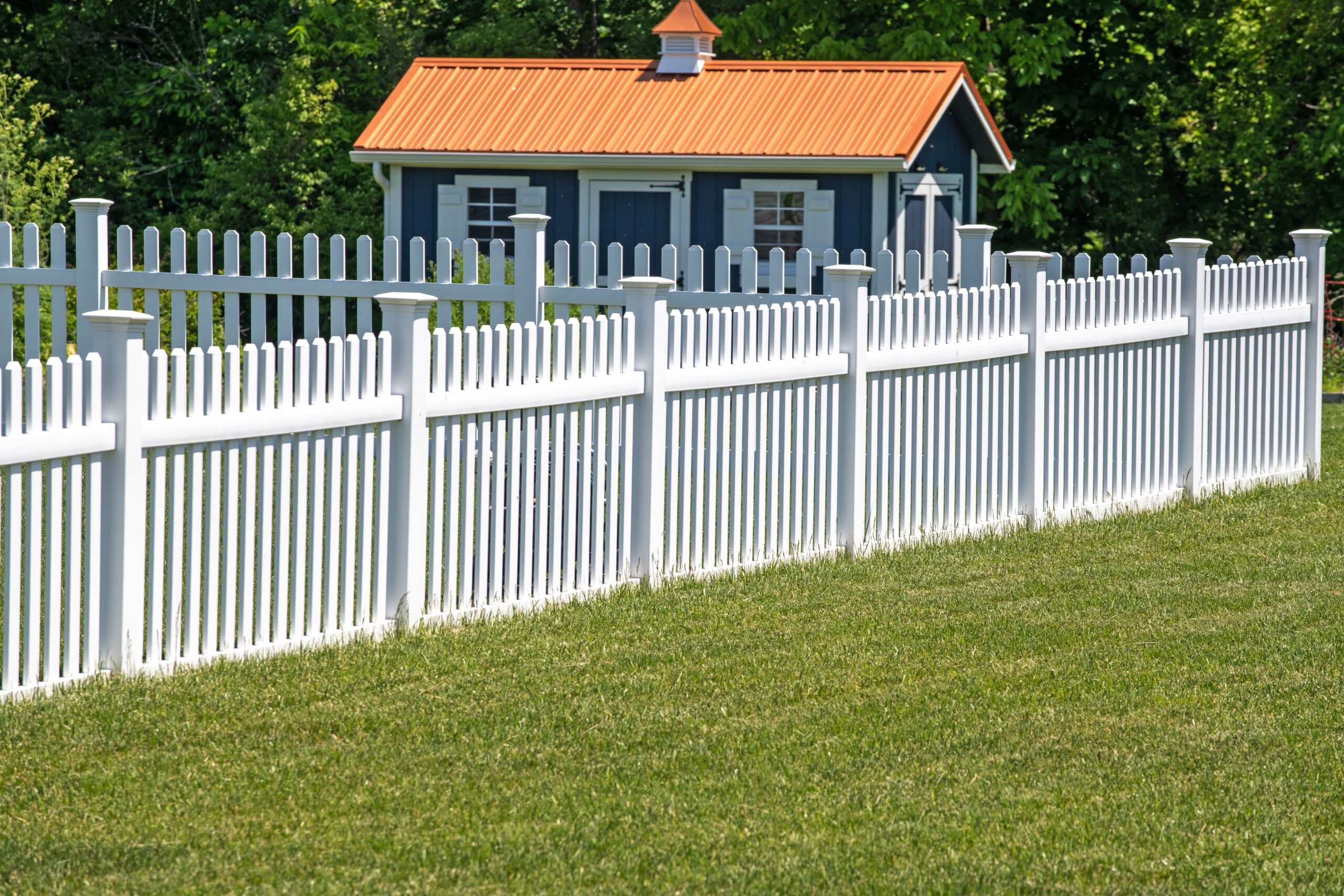
Vinyl fencing has evolved from a niche alternative into one of the fastest-growing fence options for residential and commercial properties. Homeowners, HOAs, and business owners are increasingly choosing vinyl for its clean appearance, durability, and low long-term maintenance—especially in climates where heat, sun, and moisture can be tough on traditional materials.
At Capitol Fence Austin, we have seen a steady rise in requests for vinyl fencing across Austin and surrounding communities. Below is a practical, experience-based look at the pros, cons, and reasons vinyl fencing continues to gain momentum.
What Is Vinyl Fencing?
Vinyl fencing is manufactured from PVC (polyvinyl chloride), engineered specifically for outdoor use. Unlike wood, it does not absorb moisture, rot, warp, or require painting or staining. Modern vinyl fencing is available in a wide range of styles, textures, and colors, including options designed to closely resemble natural wood.
The Pros of Vinyl Fencing
Low Maintenance
One of vinyl’s strongest advantages is its minimal upkeep. There is no need for sanding, staining, sealing, or repainting. Occasional rinsing with a hose or light soap is typically all that is required to keep a vinyl fence looking new.
Long-Term Durability
Vinyl fencing resists:
- Rot and decay
- Termites and insects
- Rust and corrosion
- Moisture damage
In Central Texas conditions—where heat, humidity, and sudden storms are common—vinyl maintains its structure and appearance far better than many traditional materials.
Consistent Appearance
Vinyl color is integrated throughout the material rather than applied as a surface coating. This means it does not peel, flake, or fade like paint or stain. The result is a uniform, clean look year after year.
Variety of Styles
Today’s vinyl fencing is far from limited. Options include:
- Full privacy fencing
- Semi-private and picket styles
- Ranch rail designs
- Decorative accents and lattice tops
- Matching vinyl gates
This versatility makes vinyl suitable for residential neighborhoods, pool enclosures, commercial properties, and HOA-regulated communities.
Strong Long-Term Value
While vinyl fencing may have a higher upfront cost than basic wood fencing, it often proves more cost-effective over time due to the absence of maintenance and repair expenses.
The Cons of Vinyl Fencing
Higher Initial Investment
Vinyl fencing typically costs more upfront than wood or chain link. For budget-sensitive projects, this initial price point may be a consideration.
Limited On-Site Modifications
Unlike wood, vinyl cannot be easily cut, reshaped, or altered after manufacturing. Accurate measurements and professional installation are essential to ensure proper fit and alignment.
Impact Damage Potential
While vinyl is flexible and durable, extreme force—such as heavy vehicle impact—can cause cracking. That said, modern vinyl fencing is significantly more resilient than early generations.
Why Vinyl Fencing Is Gaining Popularity
Homeowners Want Less Maintenance
Busy homeowners increasingly prefer exterior solutions that do not require seasonal upkeep. Vinyl fencing aligns perfectly with this lifestyle shift.
HOAs Favor Uniformity
Vinyl fencing offers consistent color, clean lines, and predictable performance—qualities often preferred by HOAs and planned communities.
Improved Manufacturing Technology
Advancements in PVC formulations have dramatically improved strength, UV resistance, and aesthetic realism, making vinyl a more attractive option than ever before.
Increased Focus on Longevity
Property owners are thinking beyond upfront cost and focusing on lifecycle value. Vinyl fencing offers predictable performance and long service life.
Vinyl vs Wood: A Practical Comparison
| Feature | Vinyl Fencing | Wood Fencing |
|---|---|---|
| Maintenance | Very low | High |
| Lifespan | Long | Moderate |
| Appearance | Consistent | Changes over time |
| Rot/Insects | Resistant | Susceptible |
| Upfront Cost | Higher | Lower |
| Long-Term Cost | Lower | Higher |
Is Vinyl Fencing Right for Your Property?
Vinyl fencing is an excellent choice if you value:
- Long-term durability
- Minimal maintenance
- Clean, modern aesthetics
- Consistent appearance over time
It is especially well-suited for privacy fencing, family homes, rental properties, and HOA-managed communities throughout the Austin area.
Professional Vinyl Fence Installation Matters
Proper installation plays a major role in how vinyl fencing performs over time. Accurate post spacing, secure footings, and correct panel alignment ensure strength, longevity, and visual appeal.
Capitol Fence Austin installs vinyl fencing with precision, using high-quality materials designed for Texas conditions. Our team helps property owners select the right style, layout, and gate options to match their needs and property requirements.
Ready to Explore Vinyl Fencing Options?
If you are considering vinyl fencing for your home or business, professional guidance can make all the difference. A properly designed and installed vinyl fence delivers lasting value, strong performance, and a clean look that holds up year after year.
FAQs – Vinyl Fencing – Frequently Asked Questions
Q: How long does vinyl fencing typically last?
A: High-quality vinyl fencing can last 20–30 years or longer when professionally installed. It does not rot, rust, or suffer insect damage, making it one of the longest-lasting fencing materials available.
Q: Does vinyl fencing fade or discolor over time?
A: Modern vinyl fencing is manufactured with UV inhibitors that significantly reduce fading. While minor color changes can occur over many years, vinyl maintains a far more consistent appearance than painted or stained wood.
Q: Is vinyl fencing strong enough for privacy and security?
A: Yes. Vinyl privacy fencing panels are designed to be rigid, impact-resistant, and securely anchored. When installed correctly, they provide excellent privacy and a solid perimeter barrier.
Q: Can vinyl fencing handle Texas heat and weather conditions?
A: Vinyl fencing performs very well in Central Texas climates. It resists moisture, heat-related warping, and sudden weather changes better than many traditional fencing materials.
Q: Is vinyl fencing more expensive than wood?
A: Vinyl fencing usually has a higher upfront cost than wood. However, it often costs less over time due to minimal maintenance, no painting or staining, and fewer repairs.
Q: Does vinyl fencing require any maintenance?
A: Maintenance is minimal. Occasional cleaning with water or mild soap is typically sufficient to keep vinyl fencing looking clean and new.
Q: Can vinyl fencing be repaired if damaged?
A: Individual vinyl panels or sections can often be replaced if damaged. While vinyl is durable, professional installation helps minimize the risk of cracking or impact damage.
Q: Are vinyl fences allowed in HOA communities?
A: Many HOAs approve vinyl fencing because of its uniform appearance and low maintenance. Always confirm color, height, and style requirements with your HOA before installation.
Q: What styles of vinyl fencing are available?
A: Vinyl fencing is available in privacy, semi-private, picket, ranch rail, and decorative styles, with options for gates, lattice tops, and wood-look finishes.
Q: Is professional installation important for vinyl fencing?
A: Yes. Vinyl fencing requires precise measurements, proper post spacing, and secure footings. Professional installation ensures long-term performance, appearance, and structural integrity.
RECENT BLOG POSTS
METAL FENCING OPTIONS – IRON VS. ALUMINUM VS. STEEL
Kid Friendly Backyard Fences: Safety & Aesthetics Combined

LATEST PROJECTS