


Blog
Smart Fencing & Security: Integrating Automation and Sensors
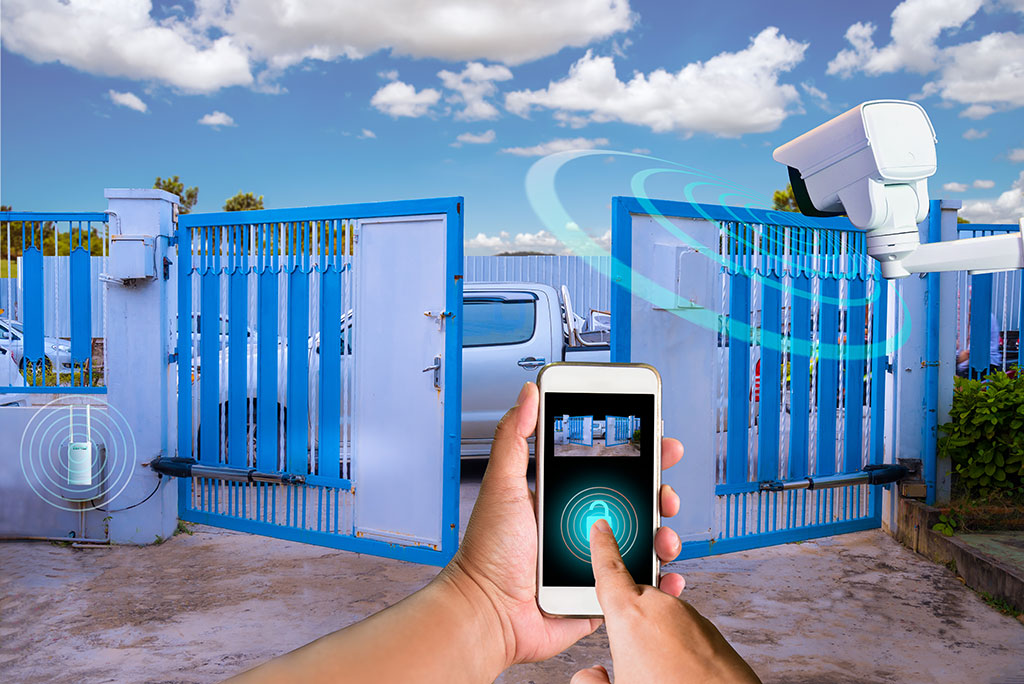
Modern fencing has evolved far beyond simple boundary lines. Today’s homeowners and commercial property managers are increasingly turning to smart fencing and automated security solutions to enhance protection, convenience, and long-term property value. At Capitol Fence of Austin, we help clients integrate advanced fencing technology with durable materials and professional installation—creating perimeter solutions that work as intelligently as they look.
This article explains how automation, access control, and sensor technology are transforming fences and gates across Austin and Central Texas, and why smart fencing is becoming a preferred investment for both residential and commercial properties.
What Is Smart Fencing?
Smart fencing combines traditional fencing or gate systems with electronic automation, monitoring devices, and connected controls. These systems allow property owners to manage access, receive alerts, and improve overall site security—often remotely via smartphone or centralized control panels.
Common smart fencing components include:
- Automated driveway and pedestrian gates
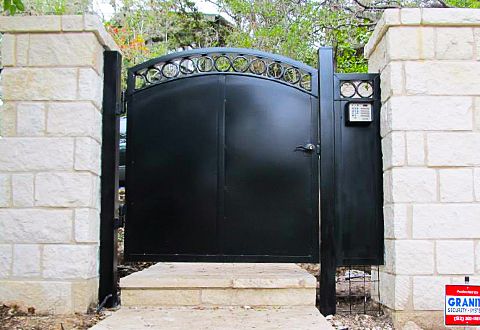
- Access control systems (keypads, card readers, mobile apps)
- Motion and perimeter sensors
- Integrated cameras and lighting
- Remote monitoring and system diagnostics
Rather than reacting to security issues after they occur, smart fencing enables proactive perimeter management.
Automated Gates: The Foundation of Smart Perimeter Security
Automated gates are often the entry point into smart fencing. Whether for a private residence, gated community, or commercial site, automated gates provide controlled access without sacrificing convenience.
Key benefits include:
- Controlled entry for vehicles and pedestrians
- Reduced unauthorized access
- Seamless integration with existing fencing materials
- Hands-free operation through remotes, apps, or sensors
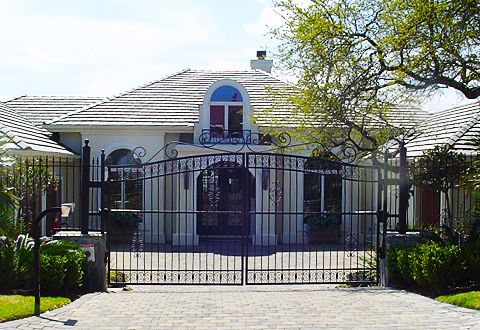
At Capitol Fence of Austin, automated gates are custom-designed to match the fencing style—wood, ornamental iron, steel, or hybrid systems—while incorporating reliable automation hardware suited for Texas weather conditions.
Access Control Systems That Fit How You Live and Work
Access control technology allows property owners to decide who gets in, when, and how. These systems are highly adaptable and can scale from simple residential applications to multi-user commercial environments.
Common access control options include:
- Keypads with programmable access codes
- RFID card or key fob systems
- Smartphone-based access apps
- Intercom and video entry systems
For businesses, access control improves accountability and reduces key management issues. For homeowners, it adds everyday convenience while reinforcing security at the property’s most vulnerable points.
Sensors and Alerts: Security Beyond the Fence Line
One of the most powerful aspects of smart fencing is the integration of sensor technology. These components detect activity near or along the fence line and trigger alerts or automated responses.
Popular sensor options include:
- Motion detectors for perimeter monitoring
- Gate position sensors that notify if a gate is left open
- Vehicle detection loops for automated entry
- Tamper alerts for forced entry attempts
When paired with lighting or cameras, sensors provide layered protection that significantly improves situational awareness—especially for large properties or sites with limited visibility.
Smart Fencing for Residential Properties
Homeowners across Austin are increasingly adopting smart fencing for both security and lifestyle reasons. Smart systems are particularly valuable for:
- Homes with long driveways or private access roads
- Properties backing to greenbelts or open land
- Families with children or pets
- Short-term rental or multi-occupant residences
Smart fencing enhances peace of mind by allowing homeowners to monitor access in real time and maintain better control over their property perimeter—whether they are home or away.
Commercial and Industrial Applications
For commercial properties, smart fencing plays a critical role in risk management and operational efficiency. Automated gates and monitored perimeters are commonly used for:
- Office parks and mixed-use developments
- Warehouses and industrial facilities
- Schools, churches, and healthcare campuses
- Construction sites and equipment yards
Integrated fencing systems reduce unauthorized access, improve traffic flow, and support compliance with safety and security requirements.
Professional Installation Makes the Difference
While smart fencing technology is powerful, its performance depends heavily on proper design and installation. Power requirements, site grading, gate alignment, sensor placement, and local code compliance all factor into a successful system.
Capitol Fence of Austin approaches smart fencing as a complete solution—not just a product. Our team evaluates property layout, usage patterns, and security goals to deliver systems that are reliable, scalable, and built to last in Central Texas conditions.
The Future of Fencing Is Intelligent
Smart fencing and security systems are no longer luxury upgrades—they are practical, forward-looking investments. By combining durable fencing materials with automation and sensor technology, property owners gain better protection, greater convenience, and long-term value.
If you are considering upgrading your fence or gate system, Capitol Fence of Austin offers expert guidance from concept through installation. Smart security starts at the perimeter—and we build it right from the ground up.
FAQS – INTEGRATING AUTOMATION AND SENSORS
Q: What does “smart fencing” actually include?
A: Smart fencing typically refers to a fence-and-gate system enhanced with technology such as automated gate operators, access control (keypads, apps, fobs), safety devices, and sensors that can trigger alerts or actions. The goal is a perimeter that improves security and convenience—not just a physical boundary.
Q: Can I add automation and sensors to an existing fence and gate?
A: In many cases, yes. If your existing gate is structurally sound and properly aligned, automation can often be retrofitted. We evaluate the gate’s weight, hinges, posts, swing/slide clearance, and power access to confirm compatibility before recommending equipment.
Q: What types of access control options are most common for residential properties?
A: Homeowners most often choose a keypad, remote clickers, a smartphone-based entry system, or an intercom/video entry option. The best fit depends on how many people need access, whether you host guests frequently, and if you want time-based codes for service providers.
Q: What sensor options are most effective for perimeter security?
A: The most common options include gate position sensors (open/closed alerts), vehicle detection devices for driveway entry logic, and motion detection tied to lighting or cameras. The right sensor mix depends on visibility, traffic patterns, and how you want alerts delivered.
Q: Will smart gates and sensors work during Austin power outages?
A: They can, if the system is designed with backup power. Many automated gate systems can be equipped with battery backup, and some sites add surge protection or additional power safeguards. We recommend planning for outages and power fluctuations during the design phase.
Q: Do smart gate systems require Wi-Fi?
A: Not always. Many systems operate reliably without Wi-Fi using remotes, keypads, and hardwired controls. Wi-Fi can be beneficial for app-based access, remote management, and certain camera integrations, but it is not a requirement for a dependable automated gate.
Q: How do you keep an automated gate safe around kids, pets, and vehicles?
A: Safety is addressed through proper design and required safety components (such as photo eyes and other protective devices), correct operator sizing, and professional installation. A smart system should prevent unintended closing and respond appropriately if an obstruction is detected.
Q: Can smart fencing integrate with cameras, lighting, and alarm systems?
A: Yes. Many access control and gate automation platforms can integrate with cameras, security lighting, and alarm/monitoring solutions. We can recommend an approach that fits your existing security setup and your preferred level of automation.
Q: How much maintenance do automated gates and smart components need?
A: Like any mechanical system, gates and operators perform best with periodic inspection and service. Maintenance typically includes checking alignment, hinges/rollers, operator performance, safety devices, and connectivity components. Preventive maintenance helps extend equipment life and reduce downtime.
Q: What impacts the cost of a smart fence and automated gate system?
A: Cost is driven by gate style (swing vs. slide), gate weight and size, power availability, access control complexity (single user vs. multi-user), sensor/camera integration, and site conditions (grade, driveway length, trenching needs). A site assessment is the fastest way to define the right scope and budget.
RECENT BLOG POSTS
METAL FENCING OPTIONS – IRON VS. ALUMINUM VS. STEEL
Kid Friendly Backyard Fences: Safety & Aesthetics Combined
Swing Or Slide Gates: Which Is Best for Your Driveway?

LATEST PROJECTS