


Blog
Steel Posts vs Wood Posts: What’s Best for Your Fence in Austin?
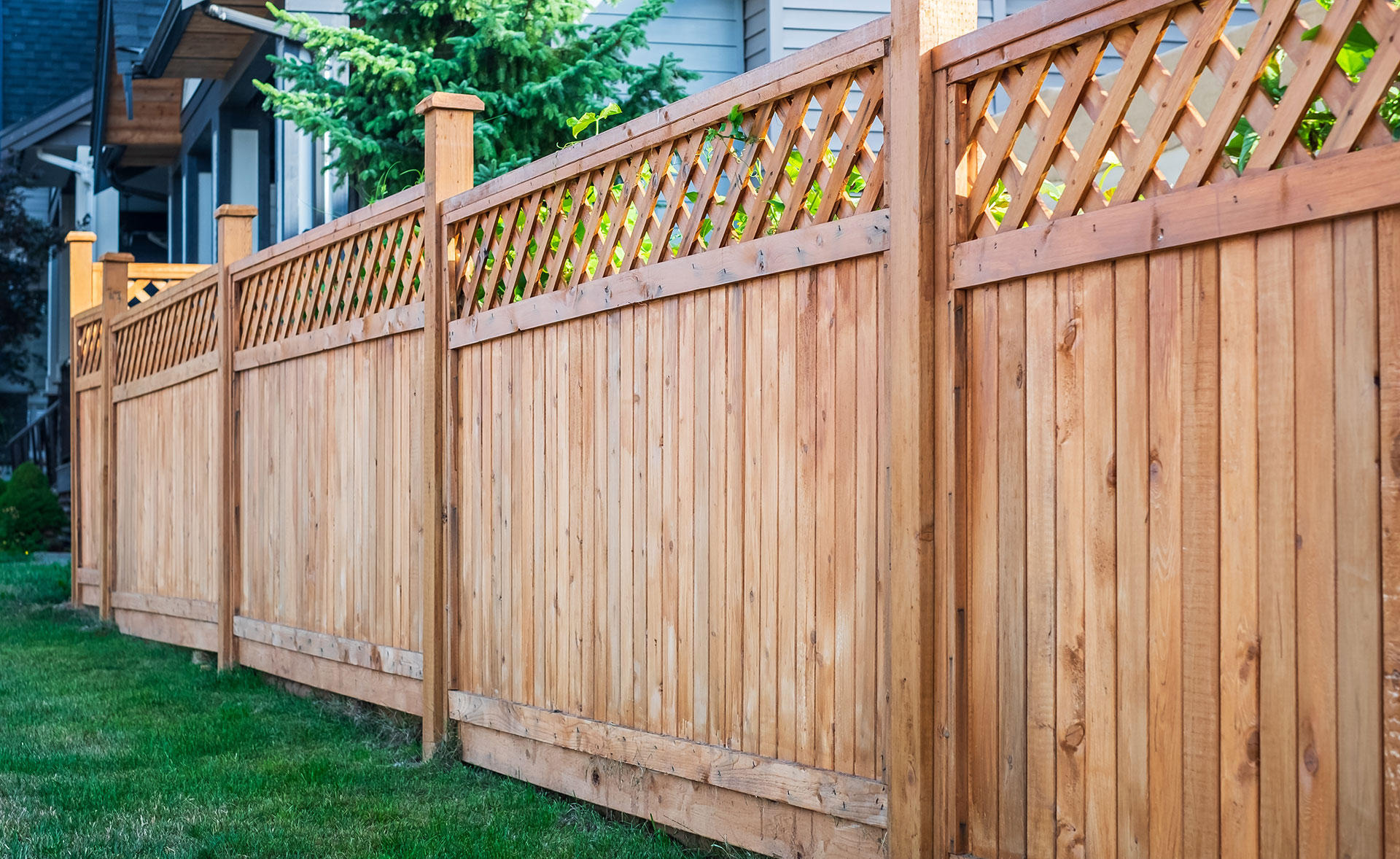
When planning a new fence, most homeowners focus on the panels—wood style, height, and design. But here’s the reality, the strength of your fence depends on what’s below the surface.
At Capitol Fence Austin, we’ve seen firsthand that the #1 reason fences lean, warp, or fail isn’t the panels—it’s the posts.
Why Fence Posts Matter More Than You Think
Fence posts are the supporting foundation of your entire fence system. They:
- Anchor the fence into the ground
- Support weight and tension over time
- Resist wind, moisture, and soil movement
If the posts fail, the entire fence follows—no matter how good the above-ground materials look.
Wood Fence Posts: Pros & Cons
Wood posts have been used for decades and remain a common option for residential fencing.
Pros of Wood Posts
- Lower upfront cost
- Traditional installation method
- Compatible with most wood fence designs
Cons of Wood Posts
- Susceptible to rot over time
- Can warp, crack, or split
- Affected by moisture and soil conditions
- Shorter lifespan compared to steel
Even pressure-treated wood is not immune to long-term exposure—especially when buried in the ground.
Steel Fence Posts: Pros & Cons
Steel posts have become increasingly popular owing to their durability and long-term performance.
Pros of Steel Posts
- Stronger structural support
- Resistant to rot, pests, and moisture
- Better performance in shifting soil
- Longer lifespan with less maintenance
- Helps keep fence lines straight and stable
Cons of Steel Posts
- Greater upfront investment
- Requires experienced installation
Austin Soil Conditions: Why Your Choice Matters
In Central Texas, soil conditions have a major role in fence performance.
Austin-area soil often contains expansive clay, which:
- Expands when wet
- Contracts when dry
This constant movement puts stress on fence posts over time. Wood posts are more vulnerable to this cycle, leading to:
- Leaning fences
- Loose posts
- Premature failure
Steel posts, on the other hand:
- Handle ground movement more effectively
- Keep structural integrity longer
Cost vs Value: Short-Term Savings vs Long-Term Performance
Many homeowners initially choose wood posts because of the lower upfront cost. But over time, repairs and replacements can add up.
Wood Posts
- Lower initial cost
- Higher likelihood of repair or replacement
Steel Posts
- Higher initial investment
- Reduced long-term maintenance and replacement costs
In many cases, steel posts offer better long-term value.
When Should You Choose Steel Posts?
Steel posts are especially recommended if:
- You plan to stay in your home long-term
- You want a fence that lasts 10–15+ years
- Your property has challenging soil conditions
- You want minimal maintenance over time
When Wood Posts May Still Make Sense
Wood posts can still be a viable option if:
- Budget is a primary concern
- The project is short-term
- You’re replacing a section of an existing wood-post fence
Professional Recommendation
At Capitol Fence Austin, we often recommend steel posts for long-term durability, especially in Austin’s soil conditions.
However, the right choice depends on your goals, budget, and property.
Build Your Fence the Right Way from the Start
Choosing the right post material is one of the most important decisions you’ll make for your fence.
A properly built fence should:
- Stay straight
- Withstand weather and soil movement
- Require minimal long-term repairs
And it all starts with the posts.
FAQ’S – WHICH FENCE POST IS BEST?
Q: Are steel fence posts better than wood posts?
A: Steel posts generally offer greater durability, resistance to rot, and better long-term performance—especially within areas with shifting soil like Austin.
Q: How long do wood fence posts last?
A: Wood posts can last several years but are more susceptible to rot and soil-related movement, which may shorten their lifespan.
Q: Do steel fence posts cost more?
A: Yes, steel posts typically have a increased upfront cost, but they often provide better long-term value due to lower maintenance and replacement needs.
Q: Will steel posts work with a wood fence?
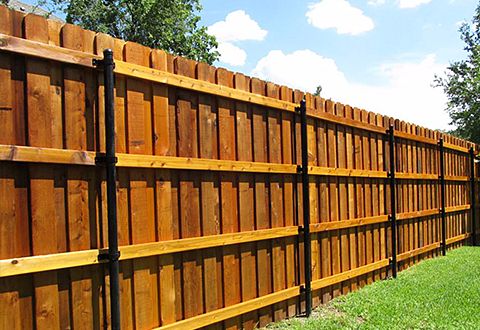
A: Yes, steel posts can be used with wood fencing and are often hidden within the design for a traditional appearance.
RECENT BLOG POSTS
METAL FENCING OPTIONS – IRON VS. ALUMINUM VS. STEEL
Kid Friendly Backyard Fences: Safety & Aesthetics Combined

LATEST PROJECTS