


Blog
Fence Trends in Austin – What’s In (and What’s Out)
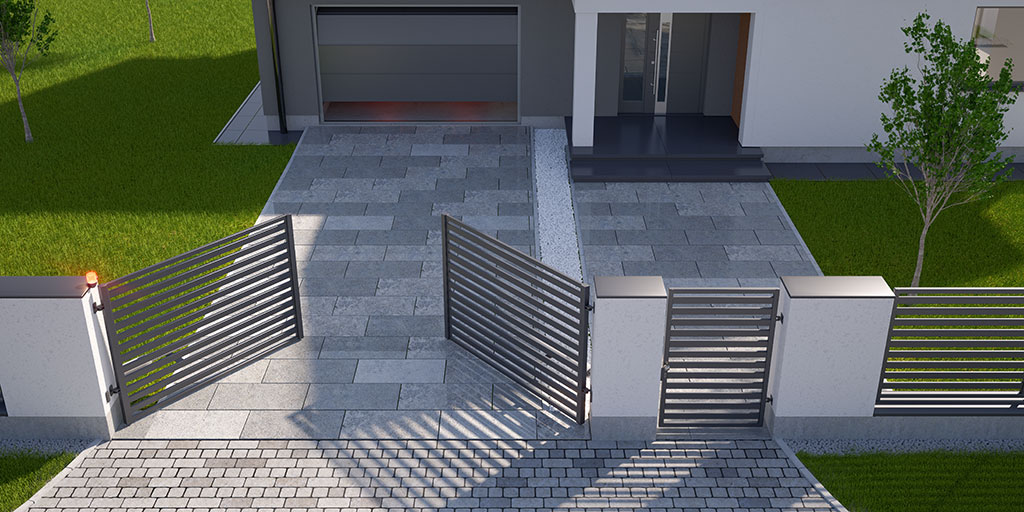
Fencing trends in Austin continue to evolve as homeowners and property managers balance design, durability, privacy, and security. As we move into the new year, fences are no longer treated as afterthoughts—they are intentional architectural features that reflect lifestyle, neighborhood aesthetics, and long-term property value.
At Capitol Fence of Austin, we work closely with residential and commercial clients across Central Texas, giving us a firsthand view of what styles are gaining traction—and which ones are fading out. Below is a practical look at the fencing trends shaping Austin properties in 2026.
What’s In: Fence Trends Defining The New Year in Austin
1. Horizontal Wood Fencing with Clean Lines
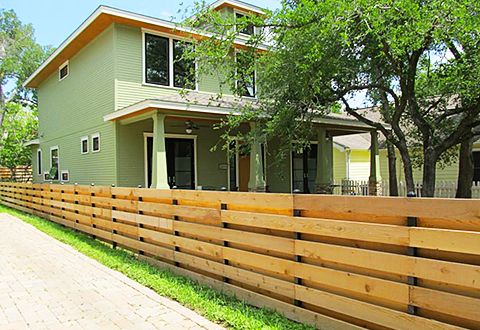
Horizontal wood fencing continues to dominate Austin neighborhoods, particularly in urban and newly developed areas. The appeal lies in its modern appearance and ability to complement contemporary architecture.
Why it’s trending:
- Clean, streamlined aesthetic
- Pairs well with modern homes and remodels
- Offers strong privacy without feeling heavy
Cedar remains the preferred material due to its natural resistance to insects and moisture when properly installed and maintained.
2. Mixed-Material Fences (Wood + Metal)
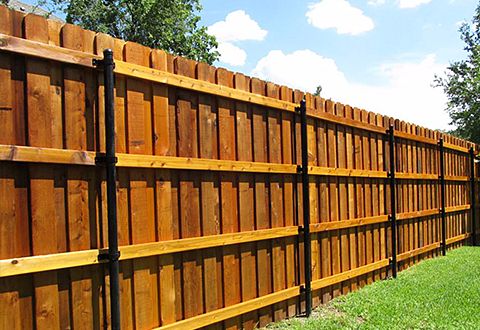
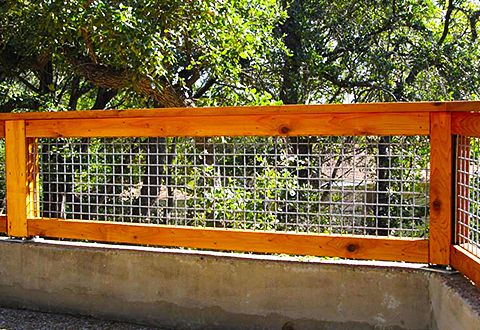
One of the fastest-growing trends is the combination of wood panels with steel or iron framing. This hybrid approach delivers both warmth and structure.
Popular applications include:
- Steel posts with horizontal cedar boards
- Wood privacy panels with iron accents
- Decorative metal insets for visual interest
These fences stand out visually while offering increased durability—an important consideration in Central Texas conditions.
3. Modern Ornamental Iron with Simpler Profiles
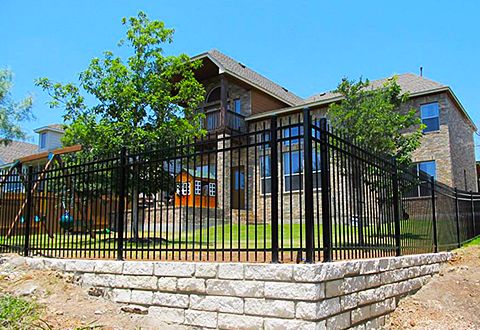
Traditional ornate iron fencing is giving way to sleeker, minimalist designs. Thinner pickets, flat tops, and understated finishes are now preferred.
Why homeowners like it:
- Maintains visibility without sacrificing security
- Complements modern and transitional architecture
- Works well for front yards, pools, and driveways
This updated iron look aligns well with Austin’s blend of historic and contemporary neighborhoods.
4. Privacy-Focused Designs with Intentional Spacing
Privacy remains a top priority, but this year, designs are more refined. Instead of solid walls, homeowners are choosing fences that allow airflow and light while still providing seclusion.
Examples include:
- Board-on-board fencing with tighter tolerances
- Shadowbox styles redesigned for modern layouts
- Slatted fences with controlled visibility
These designs are particularly popular in dense residential areas where outdoor living space is an extension of the home.
5. Smart Gates and Integrated Access Control
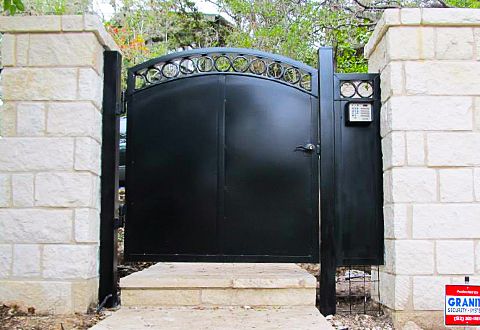
Technology is now influencing fencing design decisions. Automated gates, keypad access, and smart entry systems are becoming standard rather than optional upgrades.
Trending features include:
- Automated driveway and pedestrian gates
- App-based and keypad access control
- Integration with lighting, cameras, and sensors
Fences are increasingly planned around how people move through a property—not just how it looks.
What’s Out: Trends Losing Ground
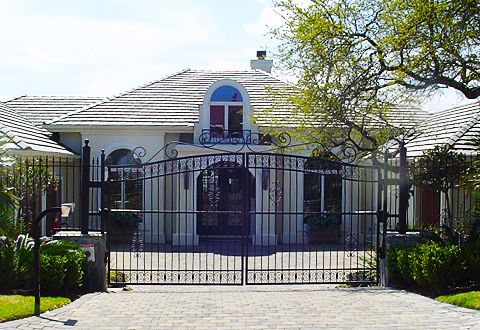
1. Overly Ornate or Decorative Iron
Highly decorative iron fences with heavy scrollwork are declining in popularity. While still appropriate for certain historic properties, many homeowners now favor cleaner lines and simpler profiles.
2. Inconsistent Fence Styles Across a Property
Mixing unrelated fence styles—different heights, materials, or designs—across the same property is becoming less common. Homeowners want cohesive perimeter design that feels intentional from front yard to backyard.
3. Short-Term, Low-Quality Materials
With rising material costs, more Austin property owners are prioritizing long-term durability over short-term savings. Lower-grade materials that warp, rot, or fail prematurely are being replaced by better-built solutions.
Choosing a Fence That Will Age Well
While trends are helpful, the best fence is one that fits:
- Your home’s architecture
- Your neighborhood’s character
- Your privacy and security needs
- Austin’s climate and soil conditions
Capitol Fence of Austin helps clients choose fencing solutions that feel current today while remaining functional and attractive for years to come.
Looking Ahead and Beyond
Fence trends in Austin are moving toward clean design, durable materials, and smarter functionality. Whether you are replacing an older fence, building a new home, or upgrading for security and privacy, understanding what’s in—and what’s out—can help you make confident decisions.
If you are planning a fencing project this year, professional guidance makes all the difference. Capitol Fence of Austin designs and installs fences and gates that align with modern trends while standing up to real-world use in Central Texas.
FAQS – FENCING TRENDS IN AUSTIN FOR THE NEW YEAR
Q: What fencing styles are most popular in Austin heading into 2026?
A: Horizontal wood fencing, mixed-material designs (wood and metal), modern ornamental iron, and privacy-focused layouts are among the most popular trends. Homeowners are prioritizing clean lines, durability, and designs that complement modern architecture.
Q: Is horizontal wood fencing still a good choice for Austin homes?
A: Yes. Horizontal wood fencing remains popular because of its modern appearance and strong privacy benefits. When properly installed with quality materials like cedar, it performs well in Central Texas conditions.
Q: Why are mixed-material fences becoming more common?
A: Mixed-material fences combine the warmth of wood with the strength of steel or iron. This approach improves durability, reduces long-term maintenance, and creates a visually distinctive fence that stands out without being overly decorative.
Q: Are privacy fences still in demand in Austin?
A: Absolutely. Privacy is still a top priority, especially in urban and high-density neighborhoods. However, newer designs focus on airflow, spacing, and intentional layout rather than completely solid barriers.
Q: What fencing trends are becoming less popular?
A: Overly ornate iron designs, inconsistent fence styles across a single property, and lower-quality materials intended as short-term solutions are all declining in popularity as homeowners focus on longevity and cohesive design.
Q: How does technology factor into modern fencing trends?
A: Smart gates, automated access, and integrated entry systems are increasingly common. Many fences are now designed to accommodate automation, keypads, and access control from the start rather than being added later.
Q: Should I follow fencing trends or choose a timeless design?
A: Trends are helpful, but the best fence balances current style with long-term function. A well-designed fence should suit your home’s architecture, neighborhood character, and practical needs while aging well over time.
Q: Does Austin’s climate affect which fencing trends make sense?
A: Yes. Heat, soil conditions, and weather fluctuations make proper material selection and installation critical. Durable materials and professional installation help ensure modern fence designs perform well long term.
Q: When is the best time to plan a fence upgrade for 2026?
A: Planning early allows time to evaluate design options, materials, permits, and installation schedules. Many homeowners begin planning months in advance to align with construction timelines and seasonal demand.
A: Smart gates, automated access, and integrated entry systems are increasingly common. Many fences are now designed to accommodate automation, keypads, and access control from the start rather than being added later.
Q: Should I follow fencing trends or choose a timeless design?
A: Trends are helpful, but the best fence balances current style with long-term function. A well-designed fence should suit your home’s architecture, neighborhood character, and practical needs while aging well over time.
Q: Does Austin’s climate affect which fencing trends make sense?
A: Yes. Heat, soil conditions, and weather fluctuations make proper material selection and installation critical. Durable materials and professional installation help ensure modern fence designs perform well long term.
Q: When is the best time to plan a fence upgrade for 2026?
A: Planning early allows time to evaluate design options, materials, permits, and installation schedules. Many homeowners begin planning months in advance to align with construction timelines and seasonal demand.
RECENT BLOG POSTS
METAL FENCING OPTIONS – IRON VS. ALUMINUM VS. STEEL
Kid Friendly Backyard Fences: Safety & Aesthetics Combined
Swing Or Slide Gates: Which Is Best for Your Driveway?

LATEST PROJECTS